
Why Players Are Turning to Online Gaming
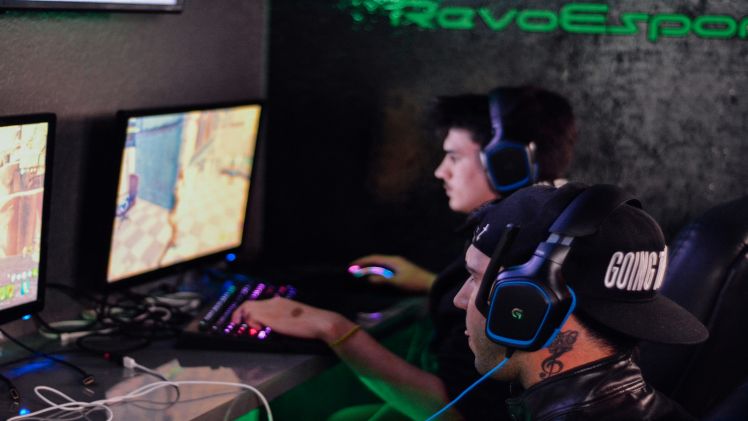
The entertainment landscape has changed dramatically as technology becomes a bigger part of everyday life. Platforms such as agb99 reflect the broader interest in digital gaming experiences that offer players convenient access to entertainment across devices. Instead of depending only on traditional gaming methods, modern players are exploring online environments that offer variety, flexibility, social interaction, and constantly evolving experiences. This shift is helping online gaming become an increasingly important part of digital entertainment.
The Growing Popularity of Online Gaming
Online gaming has grown because it fits naturally into modern lifestyles. People spend more time connected through smartphones, tablets, laptops, and other digital devices. Gaming has followed the same direction, making entertainment easier to access without requiring complicated equipment or a fixed location.
Players can enjoy digital games from home, while traveling, or during their free time. This accessibility has opened gaming to a wider audience. People who may not consider themselves traditional gamers can now discover experiences that match their interests and schedules.
Another important factor is variety. Online gaming covers many categories, from casual and puzzle-based experiences to competitive multiplayer titles and strategy games. Players can choose how they want to spend their entertainment time rather than being limited to a small selection.
Convenience Is Changing Player Expectations
Convenience has become one of the strongest influences on digital entertainment. Modern users expect services to work quickly and smoothly across different devices.
Online gaming responds to this expectation by reducing many traditional barriers. Players can discover new games, access existing accounts, interact with communities, and explore updated content through connected platforms.
Gaming Across Multiple Devices
Mobile technology has played a particularly important role in this transition. Smartphones have become powerful entertainment devices capable of supporting increasingly sophisticated games.
At the same time, computers, tablets, consoles, and cloud-based technologies provide additional ways to participate. Cross-device accessibility allows players to choose the platform that works best for their circumstances.
This flexibility makes gaming easier to integrate into daily routines.
Social Interaction Creates Stronger Experiences
Gaming is no longer always a solitary activity. Online connectivity has transformed many games into interactive social spaces where players can communicate, cooperate, compete, and share achievements.
Multiplayer features allow friends to enjoy games together even when they live in different locations. Online communities also help players meet others who share similar interests.
Communities Keep Players Connected
Digital gaming communities extend beyond the games themselves. Discussions, live streams, tournaments, guides, and social media conversations help players stay connected to gaming culture.
This community element creates an experience that traditional offline games cannot always provide. Players are not simply completing levels or achieving scores. They can become part of an active digital environment that continues developing around their favorite games.
Regular Updates Keep Gaming Fresh
Another reason players are moving toward online gaming is developers’ ability to regularly introduce new content.
Traditional games were once largely finished products. After release, the available content usually remained unchanged unless an expansion was introduced. Connected games can evolve continuously.
Developers may introduce new challenges, maps, characters, seasonal events, performance improvements, or gameplay features. These updates can encourage players to return because there is often something new to discover.
Technology Is Improving Digital Play
Advancements in internet infrastructure, graphics technology, artificial intelligence, and cloud computing are improving what online games can offer.
Faster connections can reduce delays during multiplayer sessions, while modern graphics engines create increasingly detailed virtual environments. Cloud technology may also reduce dependence on powerful local hardware by processing certain gaming workloads remotely.
Artificial intelligence is contributing to smarter computer-controlled characters, personalized experiences, and more dynamic virtual environments.
Together, these technologies are helping digital games become more immersive and responsive.
Players Have More Entertainment Choices
Modern players value control over how they spend their free time. Online gaming offers numerous options to suit different preferences.
Someone looking for quick entertainment may choose a short, casual game, while another player may prefer a competitive experience that requires strategy and teamwork. Others may enjoy exploration, simulation, sports, racing, or story-driven titles.
This diversity helps online gaming appeal to different age groups and experience levels.
Responsible Gaming Remains Important
As online gaming becomes more accessible, maintaining balanced habits is equally important. Entertainment should fit comfortably alongside work, education, relationships, exercise, and other daily responsibilities.
Players can benefit from managing their gaming time, taking regular breaks, protecting account information, and understanding the rules of the platforms they use. Parents should also review age ratings and parental controls when younger players participate in online environments.
The Future of Online Gaming
Online gaming is likely to continue evolving alongside digital technology. Improvements in mobile hardware, cloud infrastructure, virtual experiences, and internet connectivity could make gaming even more accessible and interactive.
The movement toward online gaming ultimately reflects a larger change in how people consume entertainment. Players increasingly want convenience, choice, social connection, and experiences that continue evolving.
As technology develops, online gaming will remain an important part of the entertainment landscape, giving players new ways to connect, compete, explore, and enjoy digital worlds.