
Strategies to Become a Pro Player in the Era of Competitive Gaming
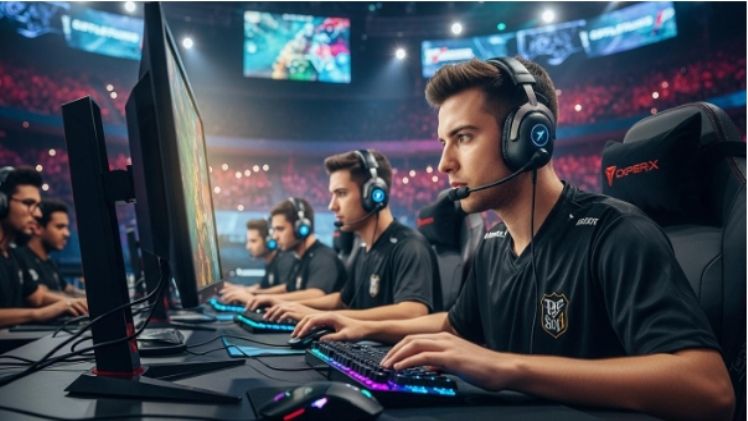
The era of competitive gaming has transformed video games from casual entertainment into a global industry worth billions. Esports tournaments now fill arenas, attract millions of online viewers, and offer life-changing prize pools. However, becoming a professional player is no longer just about playing for fun. It requires discipline, strategy, mental strength, and continuous improvement. If you aim to become a pro player in today’s competitive gaming landscape, you must approach it like a serious career.
Master One Game and Understand the Meta
The first step toward becoming a professional player is choosing one game and mastering it. Instead of jumping between multiple titles, focus your energy on a single competitive game that has a strong esports ecosystem. Whether it’s a tactical shooter, MOBA, battle royale, or sports simulation, deep specialization gives you a competitive advantage.
Understanding the “meta” is equally important. The meta refers to the most effective tactics available in a game at a given time. It changes with updates, patches, and balance adjustments. Pro players constantly study patch notes, analyze professional matches, and adapt their strategies. Staying ahead of the meta ensures you remain competitive and relevant.
Build Mechanical Skills Through Consistent Practice
Mechanical skill is the foundation of any pro player. This includes aim, reaction time, movement precision, and execution speed. Daily structured practice is essential. Instead of playing randomly, create focused training sessions. Spend time in aim trainers, practice specific mechanics, and review your weaknesses.
Consistency matters more than intensity. Practicing four to six hours daily with clear objectives is more effective than playing ten unfocused hours. Track your progress, set measurable goals, and gradually increase the difficulty of your training routine.
Develop Game Sense and Decision-Making
Mechanical skills alone are not enough. Game slot depo 5k sense separates good players from elite competitors. Game sense includes map awareness, positioning, timing, prediction, and understanding opponent behavior. You develop this by studying replays, watching professional tournaments, and analyzing your own gameplay mistakes.
After every match, ask yourself: What could I have done better? Did I make the right rotation? Was my positioning optimal? Self-review is one of the most powerful tools for improvement. Learning from losses is often more valuable than celebrating wins.
Strengthen Mental Toughness and Discipline
Competitive gaming is mentally demanding. Pressure, criticism, and losing streaks can break even talented players. Mental resilience is a key trait of professional athletes, including esports players. You must learn to stay calm under pressure and maintain focus during intense matches.
Building discipline outside the game is just as important. Maintain a healthy sleep schedule, exercise regularly, and eat properly. Physical health directly affects reaction time, concentration, and endurance. Treat your body like an athlete would, because esports at a professional level requires peak performance.
Join a Community and Build Your Network
No one becomes a pro player alone. Joining slot bonus new member 100 competitive communities, online tournaments, and ranked ladders exposes you to higher levels of competition. Networking with other skilled players can lead to team opportunities and scrims against stronger opponents.
Participate in amateur tournaments to gain experience. Even small local or online competitions help you understand tournament pressure and communication dynamics. Building a reputation as a skilled and positive player increases your chances of being noticed by teams and organizations.
Improve Communication and Teamwork
In team-based games, communication is critical. Clear callouts, coordinated strategies, and positive team morale can decide matches. Practice effective communication by being concise and calm. Avoid toxic behavior, as professionalism and attitude matter just as much as skill.
Learning to accept feedback and adjust your playstyle for team success is another sign of maturity. Pro teams look for players who can collaborate, adapt, and contribute to a winning environment.
Create a Personal Brand
In today’s digital era, building a personal brand can accelerate your journey. Streaming, posting gameplay highlights, and engaging on social media platforms help increase visibility. Many professional players were discovered through consistent online presence combined with high-level gameplay.
However, performance must always come first. Content creation should support your competitive goals, not replace focused practice time.
Stay Patient and Persistent
Becoming a pro player is a long-term commitment. Progress may feel slow, and setbacks are inevitable. What separates professionals from amateurs is persistence. Continuous improvement, smart training, and a strong mindset will gradually push you closer to your goal.
In the era of competitive gaming, talent is only the beginning. Strategy, discipline, teamwork, and resilience are what truly define a professional player. If you treat gaming like a career and commit to daily improvement, your chances of entering the professional scene will significantly increase.