
Gaming and Social Media: A Digital Collaboration Transforming Modern Lifestyles
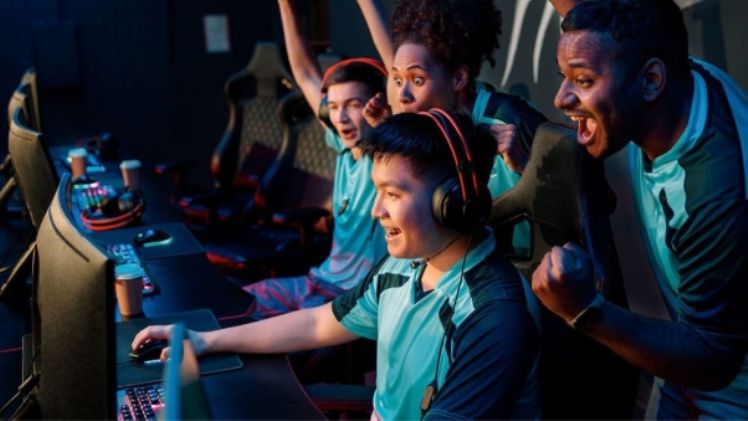
Gaming and social media have become two major forces in today’s digital world. Both have grown rapidly and are deeply interconnected, creating an interactive, dynamic, and opportunity-filled entertainment mahjong ways 2 ecosystem. What was once considered merely a leisure activity has now transformed into a lifestyle, a creative industry, and even a promising profession. Meanwhile, social media has become the main stage for gamers to share experiences, build communities, and showcase their digital identities.
The development of high-speed internet technology serves as the primary foundation connecting these two worlds. Without global connectivity, real-time interaction between players and the rapid spread of gaming content would not have evolved as quickly as it has today.
The Evolution of Gaming Over Time
Gaming has undergone a long journey since the era of arcade machines and early-generation consoles. In the beginning, games were simple, with limited graphics and basic gameplay mechanics. However, as technology advanced, modern games now feature realistic visuals, deep storylines, and multiplayer functions that allow millions of players to connect simultaneously.
Modern games are no longer focused solely on scores or levels, but on immersive experiences. Vast virtual worlds, well-developed characters with strong backstories, and competitive gameplay systems have made gaming more than just entertainment. It has become a space for exploration, creativity, and social interaction.
In addition to consoles and PCs, the rise of smartphones has sparked a major revolution. Mobile games allow people to play anytime and anywhere, expanding the gamer demographic across different ages and backgrounds.
Social Media as a Catalyst for Gaming Growth
Social media plays a crucial role in accelerating the growth of the gaming industry. Digital platforms allow players to share their best moments, strategies, and even humorous in-game content. Gaming content has become one of the most popular categories across various platforms.
This phenomenon creates a powerful viral effect. Match highlights, dramatic victories, or unexpected in-game moments can spread quickly and capture the attention of millions. This helps introduce games to broader audiences without relying on expensive traditional promotion.
Moreover, social media serves as a direct communication channel between game developers and player communities. Information about updates, special events, and new features can be delivered instantly. This two-way interaction makes players feel more valued and involved in the game’s development.
The Rise of Streaming and Content Creators
The integration of gaming and social media has grown stronger with the emergence of live streaming. Many gamers now play not only for themselves but also broadcast their gameplay to global audiences. This activity has created a new profession: gaming content creator.
A streamer is expected not only to play skillfully but also to entertain and build engaging communication with viewers. Real-time slot bet 200 interaction through comment features makes the viewing experience more lively and personal.
Gaming content on social media is highly diverse. Some creators focus on tutorials, game reviews, comedy, or competitive analysis. Creativity is the key factor in building an audience. The more unique and consistent the content, the greater the opportunity for growth.
This industry also opens wide economic opportunities. Brand partnerships, sponsorships, viewer donations, and ad monetization provide promising income sources for creators.
Online Communities and Digital Identity
One of the biggest impacts of the combination of gaming and social media is the formation of strong online communities. Gamers from various countries can gather in forums, discussion groups, or community servers to share experiences.
These communities often become safe spaces for members to express themselves. They share common interests, discuss strategies, or simply joke about gaming experiences. Digital identities are formed through avatars, usernames, and reputation within the community.
Relationships built in these spaces often go beyond the virtual world. Many friendships and even professional collaborations begin through interactions in games or on social media.
Positive Impacts on the Modern Generation
When used wisely, gaming and social media offer several positive impacts. From a cognitive perspective, many games train strategic thinking, quick decision-making, and teamwork skills.
Socially, media platforms expand networks and open opportunities for international collaboration. Younger generations learn communication skills, personal branding, and how to navigate digital community dynamics.
Additionally, this industry creates numerous new career opportunities—not only as professional players but also as game designers, video editors, esports analysts, community managers, and digital marketing specialists.
Challenges Behind the Popularity
Despite offering many opportunities, the integration of gaming and social media also presents challenges. One of them is the risk of screen addiction. Excessive gaming or unlimited social media use can affect physical and mental health.
Negative behaviors such as toxic conduct and cyberbullying are also concerns. Competitive digital environments can sometimes trigger conflicts among users. Therefore, maintaining ethics and mutual respect in online interactions is essential.
Privacy issues are equally important. Carelessly sharing personal information can lead to misuse. Digital awareness is key to maintaining personal security in the online world.
Esports and Digital Pop Culture
Esports is clear evidence of how gaming and social media strengthen each other. Major tournaments are streamed online and watched by millions. Match highlights and epic moments quickly spread across social platforms, creating global hype.
Esports athletes now have loyal fan bases similar to celebrities. They serve as role models and inspirations for many young people aspiring to build careers in gaming. This popularity shows that gaming has become part of modern pop culture.
Social media helps expand the reach of esports, strengthen communities, and maintain interaction between professional players and fans.
The Future of Gaming and Social Media
Looking at current trends, the future of gaming and social media will become even more integrated. Technologies such as virtual reality and augmented reality are expected to create more immersive social experiences. Virtual worlds will feel increasingly real and interactive.
The concept of unified digital spaces may allow users not only to play but also to work, study, and socialize within one virtual ecosystem. Advances in artificial intelligence will further enhance personalized user experiences.
However, amid these advancements, balance remains essential. Managing time and maintaining mental health are important steps to ensure technology continues to provide positive benefits.
Conclusion
Gaming and social media have become inseparable parts of modern digital life. Together, they create vast spaces for entertainment, interaction, and opportunity for today’s generation.
When used wisely, gaming and social media can serve as tools for self-development, creativity, and global connection. Challenges do exist, but with awareness and self-control, the digital world can become a productive and inspiring environment.
In the future, the collaboration between gaming and social media will continue to evolve, shaping a culture that is increasingly interactive and innovative.